



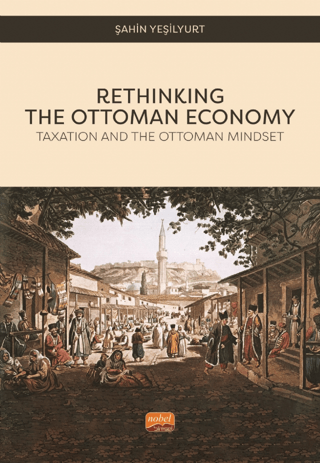
Rethinking The Ottoman Economy - Taxation and the Ottoman Mindset

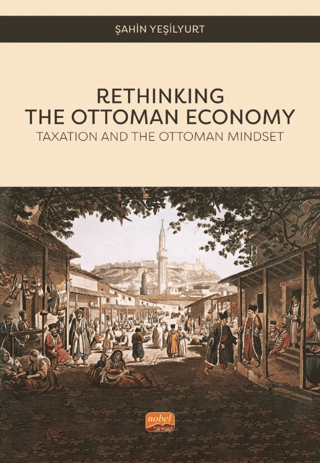
This book investigates tax expenditure practices from the historic perspective of the Ottoman State. There are many criticisms of tax expenditures in the literature on account of their drawbacks in today's fiscal system. A tax expenditure, in general, is considered a fundamental factor of injustice in the distribution of the tax burden in society. From the point of the Ottoman public finance system, however, considering the tax expenditure practices within the scope of the assessments carried out in this book, the Ottoman State widely utilized tax expenditure practices for economic, fiscal, political, social, and religious purposes. These practices were mainly prominent in providing an equitable distribution of the tax burden, establishing social justice, and suppressing adverse social incidents, such as uprisings, in the Ottoman society. The archival research suggests that the fair distribution of the tax burden through tax expenditure practices was the major aim of the Ottoman State. This book aims to provide a new perspective on the history of the Ottoman State.
This book investigates tax expenditure practices from the historic perspective of the Ottoman State. There are many criticisms of tax expenditures in the literature on account of their drawbacks in today's fiscal system. A tax expenditure, in general, is considered a fundamental factor of injustice in the distribution of the tax burden in society. From the point of the Ottoman public finance system, however, considering the tax expenditure practices within the scope of the assessments carried out in this book, the Ottoman State widely utilized tax expenditure practices for economic, fiscal, political, social, and religious purposes. These practices were mainly prominent in providing an equitable distribution of the tax burden, establishing social justice, and suppressing adverse social incidents, such as uprisings, in the Ottoman society. The archival research suggests that the fair distribution of the tax burden through tax expenditure practices was the major aim of the Ottoman State. This book aims to provide a new perspective on the history of the Ottoman State.
| Taksit Sayısı | Taksit tutarı | Genel Toplam |
|---|---|---|
| 2 | 162,64 | 325,28 |
| 3 | 112,18 | 336,53 |
| 6 | 57,76 | 346,56 |
| 9 | 39,86 | 358,72 |