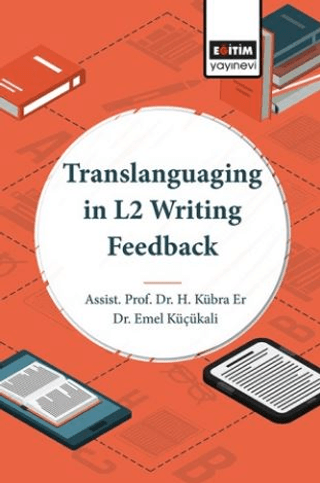
Translanguaging in L2 Writing Feedback
Translanguaging and its pedagogical implications have become an intriguing topic (Cenoz & Gorter, 2022). The “Translanguaging Pedagogy” acknowledges the inclusion of languages spoken by bilingual or multilingual as a cohesive and integrated linguistic structure, grounded in the tenets of multilingual ideology and the notion of dynamic bilingualism. In addition to this, based on the studies (Cenoz and Gorter, 2020; García and Wei, 2014), it is evident that TP in educational settings challenge the monolingual viewpoint that separates languages and prioritizes the Target Language (TL) while ignoring other languages spoken in the classroom. In addition to these, translanguaging is an educational strategy that empowers learners to actively participate in the language learning process.
Taking these into consideration, the swift advancement of the notion of translanguaging in the field of education can be attributed, primarily, to the recognition that translanguaging naturally takes place among multilingual individuals (Canagarajah, 2011; García & Wei, 2014). Hence, the current research is hoped to contribute to the exploration of the effect of translanguaging assisted feedback (TAF) vs. English focused feedback (EFF) on students’ writing performance in an English as a Foreign Language context.
In addition, this book might be used as a guide for teachers who want to give more constructive and effective feedback to their students’ writing papers by including translanguaging feedback to foster cognitive, emotional and social benefits.
Translanguaging and its pedagogical implications have become an intriguing topic (Cenoz & Gorter, 2022). The “Translanguaging Pedagogy” acknowledges the inclusion of languages spoken by bilingual or multilingual as a cohesive and integrated linguistic structure, grounded in the tenets of multilingual ideology and the notion of dynamic bilingualism. In addition to this, based on the studies (Cenoz and Gorter, 2020; García and Wei, 2014), it is evident that TP in educational settings challenge the monolingual viewpoint that separates languages and prioritizes the Target Language (TL) while ignoring other languages spoken in the classroom. In addition to these, translanguaging is an educational strategy that empowers learners to actively participate in the language learning process.
Taking these into consideration, the swift advancement of the notion of translanguaging in the field of education can be attributed, primarily, to the recognition that translanguaging naturally takes place among multilingual individuals (Canagarajah, 2011; García & Wei, 2014). Hence, the current research is hoped to contribute to the exploration of the effect of translanguaging assisted feedback (TAF) vs. English focused feedback (EFF) on students’ writing performance in an English as a Foreign Language context.
In addition, this book might be used as a guide for teachers who want to give more constructive and effective feedback to their students’ writing papers by including translanguaging feedback to foster cognitive, emotional and social benefits.
| Taksit Sayısı | Taksit tutarı | Genel Toplam |
|---|---|---|
| 2 | 265,81 | 531,63 |
| 3 | 183,34 | 550,01 |
| 6 | 94,40 | 566,41 |
| 9 | 65,14 | 586,28 |